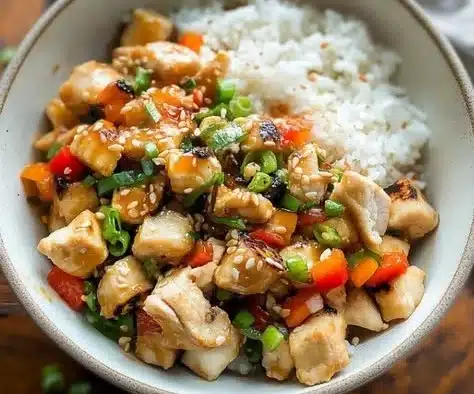
I still remember the first time I tasted Kung Pao Chicken. It was a crisp autumn evening in North Carolina, and the air was filled with the comforting scent of spiced chicken mingling with toasted peanuts. I was just a young girl, watching my grandmother move gracefully around the kitchen, her hands deftly chopping vegetables and seasoning the protein with a blend of soy sauce and chili paste. It was like a dance, each movement purposeful yet fluid, and I felt a thrill watching her bring this delightful dish to life.
Kung Pao Chicken became a staple in our home, each bite transporting me back to that kitchen, surrounded by love and laughter. The combination of tender chicken, crunchy peanuts, and an earthy hint of garlic formed an orchestra of flavors that embraced my palate. From that evening onward, Kung Pao Chicken held a special place in my heart, a dish so vibrant and exciting that it felt like a festival on a plate. And today, I want to share that joy with all of you.
Flavor and Popularity
The Unique Flavor Profile of Kung Pao Chicken
Kung Pao Chicken is known for its bursts of flavor that can make any meal unforgettable. At its core, this dish features succulent chicken paired with the rich umami of soy sauce, a hint of heat from chili, and the satisfying crunch of roasted peanuts. What sets Kung Pao apart, though, is the subtle sweetness from sugar balanced with the savory notes of garlic and ginger. This delightful fusion creates a dish that dances on the taste buds, making it both comforting and exciting.
The joy of Kung Pao Chicken lies in its complexity. Each bite reveals layers of flavor, from the tender sautéed chicken to the vibrant bell peppers and the crisp peanuts. My family often gathers around the table for this dish, and I love to watch everyone savoring the experience, the smiling faces filled with delight. With its bold flavors and satisfying textures, it’s no wonder Kung Pao Chicken is a beloved staple in many homes.
Why This Recipe Is a Family Favorite and Crowd-Pleaser
What truly makes Kung Pao Chicken worthy of the family table is not only its enticing taste but also its adaptability. You can customize it based on your family’s preferences—whether you like it extra spicy or with a little more sweetness. As a home cook, I appreciate that I can swap in seasonal vegetables like zucchini or snap peas, letting me adapt the dish based on what’s fresh at the market.
For gatherings, it’s the perfect go-to dish because it offers a balance between indulgence and lightness. I serve it alongside jasmine rice, the fluffy grains soaking up the flavorful sauce while acting as a counterbalance to the heat. Everybody leaves the table happy and satisfied, and that warm, fulfilled feeling is worth every ounce of effort I put into making it.
Ingredients and Preparation
Essential Ingredients and Possible Substitutions
To prepare a delicious Kung Pao Chicken, gather the following essential ingredients:
- Chicken (breast or thighs): Boneless chicken cooks quickly and is easy to manage.
- Peanuts: Unsalted, roasted peanuts provide that signature texture and flavor.
- Aromatics: Fresh ginger, garlic, and scallions form the aromatic base that breathes life into the dish.
- Soy sauce: Essential for the salty umami punch, use low-sodium if you’re watching your sodium intake.
- Chili paste: This adds heat, and you can adjust according to your tolerance.
- Vegetables: Bell peppers and zucchini add color and nutrition, but feel free to improvise!
- Sugar: A touch of sweetness balances the flavors perfectly.
- Sesame oil: To finish, drizzle in sesame oil for a nutty touch.
Substitutions are a breeze! You might choose to use firm tofu or shrimp instead of chicken for vegetarian or seafood versions. Don’t have peanuts? Try cashews for a different but equally delightful twist. As for the vegetables, let your fridge inspire you; whether it’s broccoli or sugar snap peas, they all work wonders in this dish.
Step-by-Step Recipe Instructions with Tips
Begin by prepping all your ingredients—chopping the chicken, dicing your vegetables, and mincing the garlic and ginger. This not only saves time later but allows you to enjoy a smooth cooking process.
Marinate the Chicken: Combine chicken with soy sauce, a teaspoon of cornstarch, and a pinch of salt. Let it sit for at least 30 minutes to absorb flavor and tenderize.
Prepare the Sauce: In a small bowl, mix soy sauce, chili paste, and sugar. Set this aside; the flavors will meld beautifully as you cook.
Heat the Pan: Use a wok or a large skillet, and on medium-high heat, add a splash of oil. Make sure it’s hot enough before you add your chicken. You want a nice sear to form!
Cook the Chicken: Sauté the marinated chicken until it’s golden brown and cooked through—approximately 5-7 minutes. Remove it from the skillet and set it aside.
Sauté Aromatics and Veggies: In the same pan, add more oil if needed, and toss in the garlic, ginger, and vegetables. Sauté until they soften and get fragrant.
Combine Everything: Return the chicken to the skillet, pour in your prepared sauce, and stir well. Toss in the peanuts for that delightful crunch.
Final Touch: Stir in the sesame oil for an extra layer of flavor, and cook for an additional minute.
And voilà! Serve your Kung Pao Chicken hot, over a bed of fluffy rice, and watch family and friends light up with every bite.
Cooking Techniques and Tips
How to Cook Kung Pao Chicken Perfectly
To achieve the best results with Kung Pao Chicken, remember that high heat is your friend. Cooking quickly over medium-high heat preserves the chicken’s moisture while giving it that coveted golden sear. Use a non-stick or seasoned cast-iron skillet; this not only prevents sticking but also enhances that rich flavor as caramelized bits cling to the surface.
Additionally, don’t overcrowd the pan. Cook the chicken in batches if necessary to avoid steaming—three minutes too long can turn juicy bites into dry pieces. Remember, a touch of patience during cooking will elevate your dish tremendously.
Common Mistakes to Avoid
One major pitfall is overcooking the chicken. It’s easy to get distracted and leave it on the heat a bit too long. Check for doneness after just a few minutes to keep that tender juiciness intact.
Another common mistake is under-seasoning. Taste as you go! Every kitchen is different, and you might find that your soy sauce has a different salt content than what the recipe suggests. Adjust your flavors accordingly as you mix everything.
Lastly, don’t forget the peanuts! Adding them at the end ensures they stay crunchy and provide that satisfying texture contrast against the tender chicken and veggies.
Health Benefits and Serving Suggestions
Nutritional Value of Kung Pao Chicken
Kung Pao Chicken is more than just delicious; it offers a wonderful balance of nutrients. The chicken provides lean protein essential for building and repairing tissues, while the vibrant veggies add fiber and vital vitamins. Peanuts contribute healthy fats and protein that help you feel full and satisfied.
By incorporating plenty of vegetables, you’re loading up on antioxidants and nutrients that support overall health. Serve with brown rice or quinoa to boost fiber and whole-grain content, making it an even more balanced meal.
Best Ways to Serve and Pair This Dish
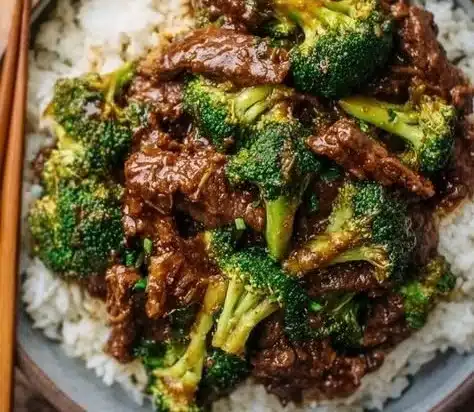
Kung Pao Chicken stands out on its own, but it pairs beautifully with sides that balance its bold flavor. Serve it alongside fragrant steamed rice or fluffy quinoa to soak up the delicious sauce. You can also add a side of stir-fried greens like bok choy or broccoli for a wholesome touch.
Have some dipping sauces on hand—like a spicy chili sauce or a sweet soy glaze—to give your guests options. And don’t forget the wine—this dish goes well with a light Pinot Grigio or a floral Gewürztraminer, which enhances the flavors beautifully.
FAQ Section
What type of mushrooms are best for Kung Pao Chicken?
While not a traditional ingredient, if you love mushrooms, shiitake or button mushrooms work well in Kung Pao Chicken. Their earthy flavor enhances the dish while adding a delightful texture.
Can I use dried garlic instead of fresh?
Yes, you can use dried garlic, but I recommend fresh for the best flavor. If you must use dried, about 1/8 tablespoon should give you a good starting point, keeping in mind it’s less potent than fresh.
How do I store leftover Kung Pao Chicken?
To store, let the dish cool completely, then transfer it to an airtight container. It will keep in the refrigerator for up to three days, making it a great option for meal prep.
Can I freeze Kung Pao Chicken?
Absolutely! Kung Pao Chicken freezes well. Just ensure it’s in a suitable container. Thaw in the refrigerator overnight when you’re ready to enjoy it again. Simply reheat on the stovetop for a quick, comforting meal.
Conclusion
Cooking Kung Pao Chicken brings back beautiful memories of my grandmother’s kitchen—a place where love was poured into every dish. If you’re like me, you’ll find joy in creating something delicious for your family. There’s something comforting about the way flavors meld together, reminding us of the bonds we share over food. Trust me, you’ll want to make this again and again, savoring that delightful crunch of peanuts and the rich, warm umami flavors that dance on your palate. So go ahead, give this recipe a try; I promise it will become a cherished favorite in your home too!
Print
Kung Pao Chicken
- Total Time: 30 minutes
- Yield: 4 servings 1x
- Diet: Gluten-Free
Description
A vibrant and flavorful dish featuring succulent chicken, crunchy peanuts, and an array of fresh vegetables, all coated in a savory sauce.
Ingredients
- 1 lb boneless chicken (breast or thighs)
- 1/2 cup unsalted roasted peanuts
- 2 cloves garlic, minced
- 1 tablespoon fresh ginger, minced
- 2 scallions, chopped
- 1/4 cup soy sauce (low-sodium if preferred)
- 1 tablespoon chili paste
- 1 tablespoon sugar
- 1 tablespoon sesame oil
- 1 bell pepper, diced
- 1 zucchini, diced
- 1 teaspoon cornstarch
- Salt to taste
- Oil for cooking
Instructions
- Prep all your ingredients by chopping the chicken, dicing your vegetables, and mincing the garlic and ginger.
- Marinate the chicken with soy sauce, cornstarch, and salt. Let it sit for at least 30 minutes.
- Prepare the sauce by mixing soy sauce, chili paste, and sugar in a small bowl.
- Heat a wok or large skillet over medium-high heat and add oil.
- Cook the marinated chicken until golden brown and cooked through, about 5-7 minutes, then remove from the skillet.
- Sauté garlic, ginger, and vegetables in the same pan until softened.
- Combine chicken back in the skillet, add sauce, and stir well before tossing in peanuts.
- Finish by stirring in sesame oil and cooking for an additional minute.
Notes
Serve hot over jasmine rice and consider pairing with stir-fried greens or a side of dipping sauces for extra flavor.
- Prep Time: 15 minutes
- Cook Time: 15 minutes
- Category: Main Course
- Method: Stir-Frying
- Cuisine: Chinese
Nutrition
- Serving Size: 1 serving
- Calories: 400
- Sugar: 6g
- Sodium: 700mg
- Fat: 18g
- Saturated Fat: 2g
- Unsaturated Fat: 14g
- Trans Fat: 0g
- Carbohydrates: 30g
- Fiber: 3g
- Protein: 24g
- Cholesterol: 70mg
Keywords: Kung Pao Chicken, Chinese Recipe, Family Meal, Dinner Idea